Unity Development Services - Real-Time 3D & Interactive Experiences
Unity Development for Products That Need to Be Experienced, Not Just Described
We design and build real-time 3D and interactive experiences on Unity — AR try-ons, VR training simulators, 3D product configurators, interactive PoCs, and cross-platform deployments from a single codebase. Our Unity development services span the full engagement: architecture, C# engineering, AR/VR integration, physics and rendering optimization, and production deployment with no PoC handoffs that stall before reaching users.
Unity's cross-platform engine covers iOS, Android, WebGL, Meta Quest, HTC Vive, and PC builds without separate codebases, cutting multi-platform delivery cost by 40–60% compared to native-per-platform approaches.
What Problems Unity Development from Idea Team Solves
Interactive 3D products fail in one of three places: the PoC never ships, performance collapses on target hardware, or the experience does not survive the move from one platform to another. We engineer against all three from day one.
One Unity codebase
Deploy across iOS, Android, WebGL, and XR headsets without platform-specific rewrites at launch.
Device-validated performance
Physics-accurate AR and 3D rendering validated against target device performance budgets before delivery.
2–4 week PoCs
Fixed-scope Unity PoCs that are demonstrable, investor-ready, and built on architecture that extends to production.
Legacy Unity rescue
Audit, refactor, and re-stabilize inherited Unity codebases with broken builds or outdated dependencies.
Full C# ownership
Documented, tested Unity/C# source delivered with repository access and no vendor lock-in.
Unity Development Services We Provide
Our Unity development company delivers across five core service areas:
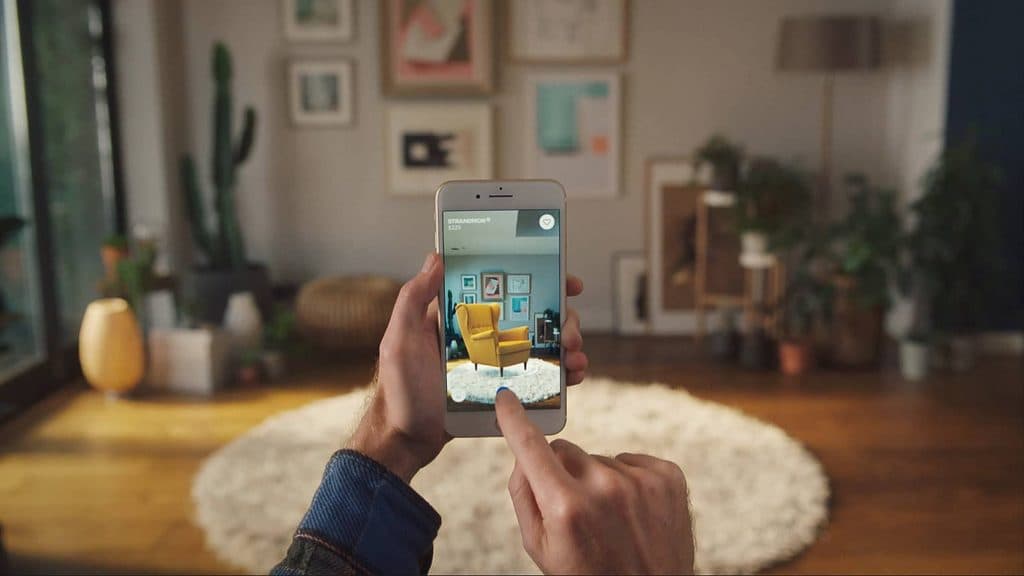
Markerless and marker-based AR experiences built with AR Foundation, ARKit, and ARCore: virtual try-ons, product visualization in real space, in-store navigation overlays, and interactive marketing campaigns. Optimized for mid-range iOS and Android hardware with face tracking, plane detection, and image anchoring depending on the use case.
Our Unity Development Process
We run Unity engagements in structured milestones with testable deliverables at each stage.
Scene hierarchy, prefab system architecture, C# code structure, Git + Git LFS setup, asset pipeline, and SDK integration planning.
Development
Sprint-based C# engineering with playable builds delivered to target devices via TestFlight, Android internal testing, WebGL, or headset builds.
Performance optimization
Unity Profiler and Frame Debugger-driven optimization: draw call batching, texture compression, LOD setup, GC reduction, and AR session stability.
QA
Manual and automated testing across device matrices, XR headsets, AR tracking stability, frame rate, memory regression, and platform guidelines.
Build, release, and handoff
Platform-specific build configuration, App Store / Google Play / WebGL / Meta Quest release support, full source handoff, and build documentation.
Technologies We Use
Our Unity development stack covers the full range of AR, VR, and interactive 3D delivery.
Engine
Unity LTSC#.NET Framework
AR
AR FoundationARKitARCoreARKit Face Tracking
VR/XR
OpenXRXR Interaction ToolkitMeta Quest SDKSteamVR
Web
WebGLWebAssembly builds
Rendering
URPHDRPTexture compressionLOD
Platforms
iOSAndroidMeta QuestHTC VivePCWebGL
Industries We Work With
Unity development delivers measurable product impact in verticals where static media or conventional UX cannot communicate product value effectively.
Retail & eCommerce
AR virtual try-ons for fashion, jewelry, eyewear, and furniture that help customers validate fit before purchase.
Training & Enterprise
VR safety simulations, equipment operation training, and onboarding environments that replace costly physical setups.
Architecture & Real Estate
Interactive 3D walkthroughs and configurators for pre-construction sales and design review.
Manufacturing & Engineering
3D product configurators and assembly visualization for complex B2B sales cycles.
Marketing & Events
Interactive AR campaigns and WebGL experiences for product launches and trade show demos.
GameDev
2D and 3D Unity game development for mobile, PC, and console platforms.
Why Choose Idea Team for Unity Development
Unity development requires 3D engineering depth, performance discipline, and platform knowledge that general software teams rarely have. We have shipped AR, VR, and interactive 3D products across iOS, Android, WebGL, and XR — not just prototyped them.
AR Foundation and ARKit depth — face tracking, markerless plane detection, and physics-accurate object placement validated on real devices.
Cross-platform from architecture, not as an afterthought — one codebase, every target platform, no retrofit rewrites.
Performance-first engineering — every build profiled against real device constraints before delivery.
PoC-to-production continuity — PoC architecture is designed to extend, not be discarded.
Full source handoff — documented codebase, Unity project files, asset pipeline, and no vendor lock-in.
Cost of Unity Development
Unity development cost depends on experience type, target platforms, and build complexity. We provide fixed-scope estimates after a technical discovery session.
1
Interactive PoC
Investor demo or product validation delivered in 2–4 weeks.
$2,000+
2
Production mobile AR app
iOS and Android AR application with custom physics and App Store deployment.
$2,500+
3
VR training simulation
Meta Quest or multi-headset OpenXR deployment depending on environment complexity and interaction depth.
$3,000+
4
WebGL 3D configurator
Browser-based 3D configurator with real-time material switching and product catalog integration.
$2,000+
Tell us what users need to experience.
We'll scope the Unity build, define platform targets, and estimate it in a 30-minute call.
Unity is a cross-platform real-time 3D engine used to build AR applications, VR simulations, 3D configurators, interactive experiences, and games. Unity development is the engineering process of designing, building, and deploying these experiences using Unity, C# scripting, and platform SDKs.
What platforms does Unity support?
Unity supports iOS, Android, WebGL, Windows, macOS, Meta Quest, HTC Vive and other OpenXR-compatible headsets, PlayStation, Xbox, and Nintendo Switch. A single Unity codebase can be built across supported platforms with target-specific optimizations.
What is AR Foundation and why does it matter?
AR Foundation is Unity's cross-platform AR framework that abstracts ARKit and ARCore into a single API, allowing features like plane detection, face tracking, image anchoring, and object placement to be developed once for both iOS and Android.
How long does Unity development take?
A focused PoC or interactive demo takes 2–4 weeks. A production mobile AR application takes 8–16 weeks. A VR training simulation takes 10–20 weeks depending on environment count and interaction complexity.
What is the difference between AR and VR development in Unity?
AR overlays 3D content on the real world through a device camera and usually targets mobile devices. VR replaces the user's environment with a synthetic 3D world and targets headsets such as Meta Quest or HTC Vive.
Can Unity be used for WebGL 3D experiences?
Yes. Unity builds to WebGL via WebAssembly, delivering 3D configurators, interactive product demos, and gamified experiences that run in a browser without app installs. WebGL builds require polygon budgets, texture compression, and load-time optimization.
What is legacy Unity rescue?
Legacy Unity rescue is a technical audit and refactoring engagement for Unity projects inherited from previous contractors or internal teams with broken builds, undocumented architecture, outdated Unity versions, or accumulated technical debt.
How much does Unity development cost?
An interactive PoC starts at $2,000. A production mobile AR app ranges from $2,500. A VR simulation ranges from $3,000. A WebGL 3D configurator ranges from $2,000.

 C#
C# AR Foundation
 ARKit
ARKit ARCore
 WebGL
WebGL iOS
iOS Android
 Meta Quest
 HTC Vive